




24/7 Support
Fast, professional support




















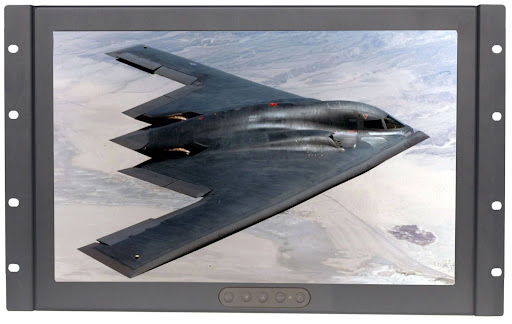
Lightweight aerospace rackmount systems are rack-mounted equipment designed to reduce weight and space requirements while still providing the performance and durability needed for aerospace applications. They can house displays, computers, networking equipment and other electronics within a secure, space-efficient chassis. Unlike standard rackmount equipment, aerospace solutions may need to account for additional requirements such as weight restrictions, limited installation space, shock, vibration and temperature variations. The right specification therefore needs to balance lightweight construction with the protection and reliability required by the application.
Need lightweight rackmount equipment that can meet the demands of aerospace applications? At Rackmountsales, we supply a range of rackmount solutions, including rugged military rackmount systems designed for demanding defence and aerospace environments. When you choose Rackmountsales for your aerospace rackmount system, you can benefit from:
Explore our rackmount solutions today →
Aerospace rackmount systems can support a wide range of equipment where space, weight and reliability are important considerations. Depending on the application, they can be used for:
The requirements will vary between applications, so the right aerospace rackmount systems should be selected based on factors such as available space, weight restrictions, environmental conditions and equipment requirements.
Reducing weight involves more than simply using less material. A well-designed lightweight rackmount system needs to minimise unnecessary weight while retaining the structural strength and protection required for its application. Key considerations include:
Weight is important in aerospace, but lightweight equipment must still provide the strength, protection and reliability required for the application.
Lightweight rackmount systems need to reduce unnecessary weight without compromising structural strength or equipment protection. Key considerations include:
Aircraft systems can experience continuous vibration, mechanical shock, turbulence and movement during take-off and landing. Lightweight construction should therefore still provide adequate protection for internal components.
The required environmental protection depends on the application. Consider:
Always check the specifications of the individual system rather than assuming every aerospace rackmount product meets the same environmental requirements.
Reducing weight shouldn't mean compromising the equipment's performance, strength or reliability. The right system should be selected around the complete application rather than simply choosing the lightest option available.
Efficient chassis design and lightweight materials can help reduce unnecessary weight while maintaining the structural protection needed for aerospace applications. Other factors, including cooling, accessibility and serviceability, should also be considered.
Aerospace installations can have strict space limitations. Consider:
Where required, aerospace rackmount systems may need to meet specific military standards for environmental or electromagnetic performance. However, requirements vary by application and product, so specifications should always be checked individually.
MIL-STD-810 covers environmental engineering and laboratory testing, with relevant methods addressing conditions such as:
MIL-STD-461 addresses electromagnetic interference and compatibility, helping assess how equipment interacts with other electronic systems. Not every lightweight aerospace rackmount system will meet every MIL-STD requirement, so always verify the specific standards and test methods relevant to the application.
The right lightweight rackmount solution should meet the needs of the entire application, not just its weight requirements. When choosing what lightweight rackmount solution is best for you, consider the following:
Choosing the right lightweight rackmount system means balancing low weight with the performance, durability and reliability your aerospace application requires. The right solution can help maximise available space, reduce unnecessary weight and support dependable operation in demanding environments. Explore Rackmountsales lightweight rackmount solutions today → give me html

Industrial LCD displays are built for heavy-duty environments like factories, warehouses, and outdoor terminals. They can handle heat, dust, vibration, and long operating hours.
Militarydev411

Downtime costs more than most people expect. When LCD monitor drawers fail inside a rack, teams lose access, waste time, and risk bigger hardware issues. Proper care keeps LCD monitordev411

A rack mount monitor with KVM combines display, keyboard, and mouse into a single unit. This all-in-one design lets IT teams access multiple servers without juggling separate devices.dev411










We are so confident you will be satisfied with our products that we offer a 100% satisfaction guarantee


